
Many nonprofits operate on tight marketing budgets, which means social media often needs to work without paid boosts. Luckily, you can build an effective online presence with little to no spending—what matters most is strategy.
Below are 14 practical tips to help your nonprofit run a strong, sustainable social media program.
1. Register your accounts as nonprofit profiles
Most social networks offer special features for verified nonprofits, so make sure your profiles are set up correctly. You may also qualify for discounted tools like Hootsuite’s Hootgiving program.
Platform-specific perks include:
Facebook and Instagram fundraising tools
TikTok’s “For Good” resource hub
YouTube’s Nonprofit Program with tailored optimization options
Free learning courses through Pinterest Academy
2. Define exactly who you want to reach
Just like in the for-profit world, knowing your audience is the foundation of a strong strategy. Consider demographics, interests, location, and values.
Understanding who you want to reach—say, eco-minded millennials or teachers looking for classroom resources—helps shape your message, tone, and even the platforms you prioritize. Social media analytics can also reveal who’s already engaging with your content.
3. Select the right platforms
You don’t need to be active everywhere. Instead, focus on the channels that align with your audience and organizational goals.
Think about where your supporters spend their time—maybe Facebook for donors or Instagram for younger advocates. Prioritizing the right platforms prevents burnout and leads to more meaningful engagement.
If you decide to maintain multiple accounts, a management tool can streamline scheduling and monitoring.
4. Tell a clear, compelling brand story
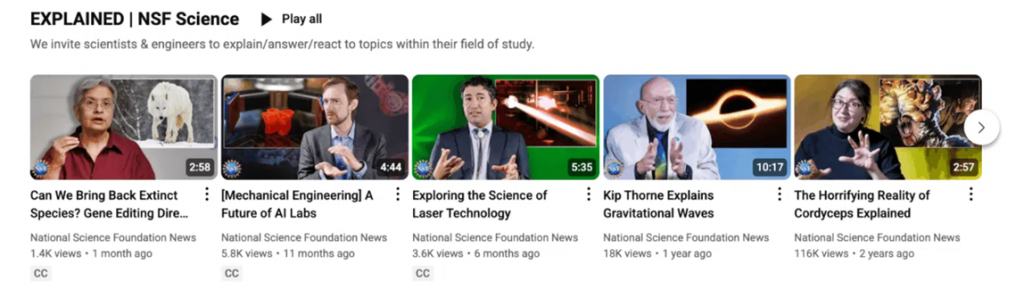
Your mission deserves a spotlight. Use social media to articulate what you stand for and why it matters.
A strong narrative—paired with authentic storytelling—helps people connect with your work. Reinforce your message with simple, direct calls to action, such as:
Join our newsletter
Sign up for our next program or event
Explore volunteer opportunities
5. Build an editorial calendar
Consistent content creation can be tough, especially for small teams. A content calendar helps you organize ideas, spread out your workload, and avoid last-minute scrambling.
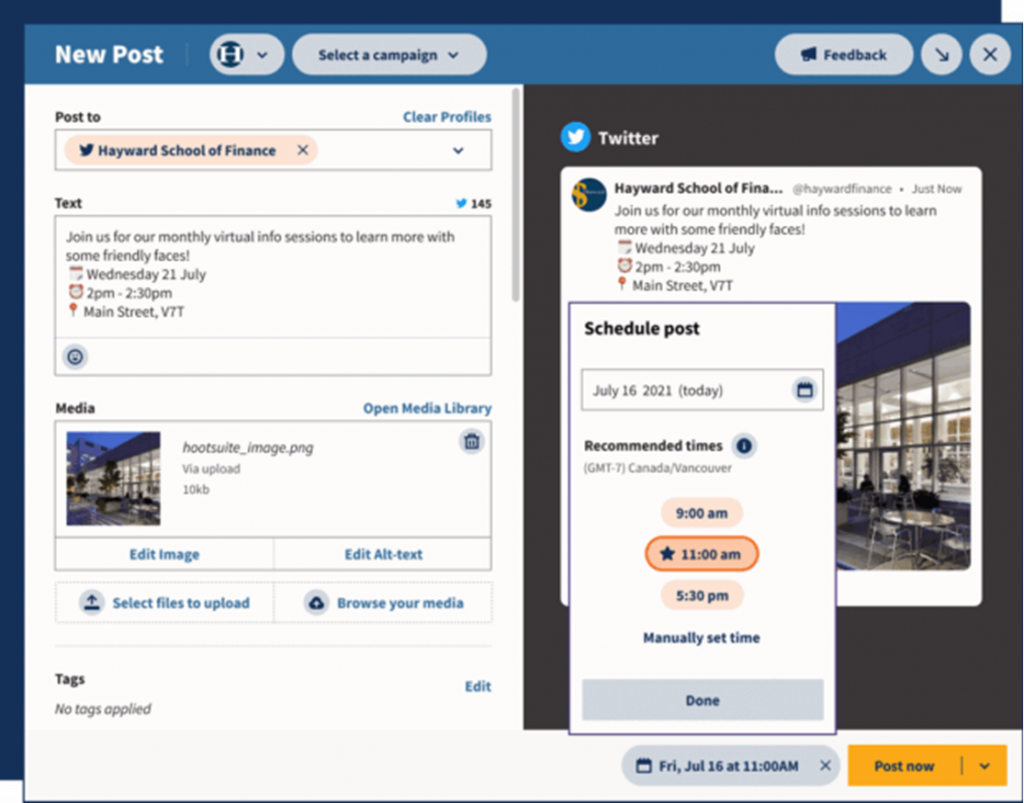
Map out key dates, campaigns, events, and recurring themes. Once you know what’s coming, you can establish a steady posting rhythm and schedule content in advance.
6. Post consistently—and at the right times
Many nonprofits struggle to determine ideal posting times. While general timing guidelines exist for each platform, your analytics will reveal when your audience is most active. Posting consistently when your community is online increases visibility and engagement.
7. Track your performance
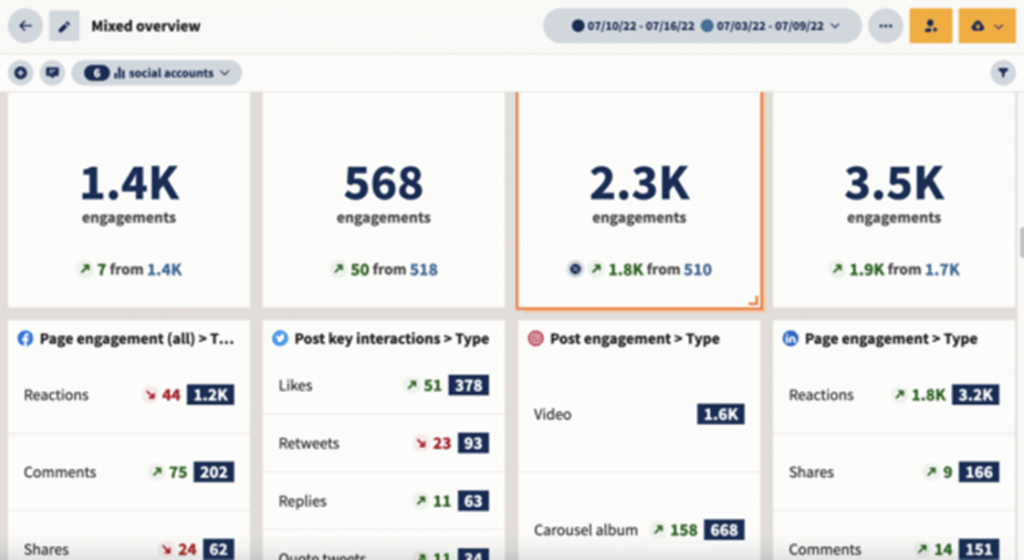
Improving your results starts with knowing what’s resonating. Use analytics tools to monitor engagement, reach, and clicks—especially during campaigns or fundraising pushes. Real-time data helps you adapt quickly and better understand what your audience values.
8. Lean into short-form storytelling
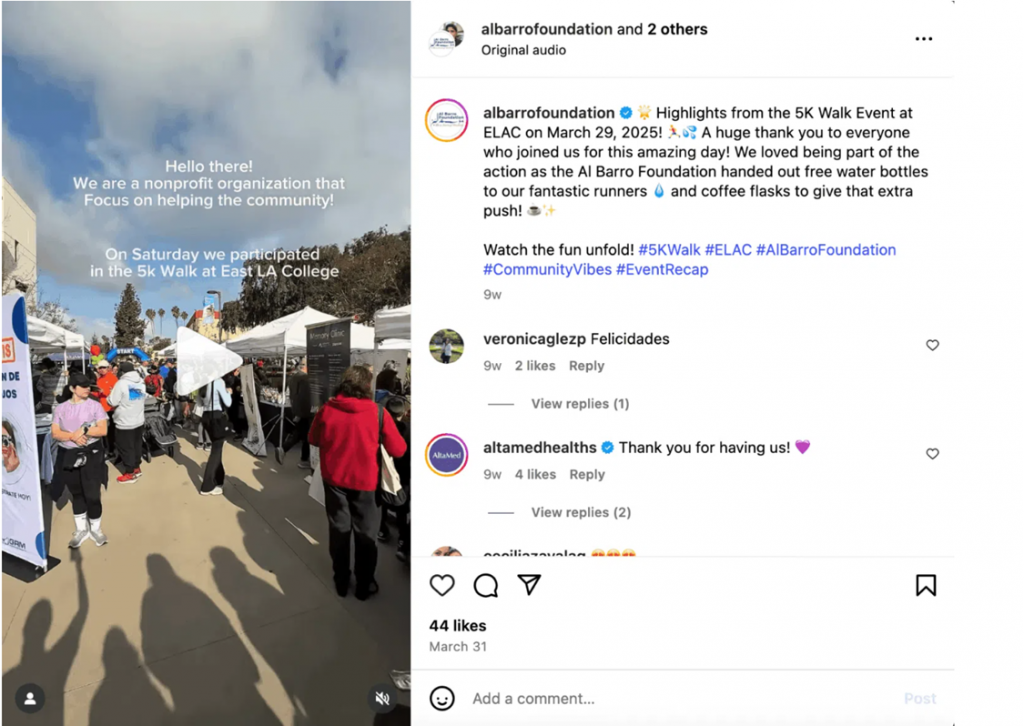
Short videos and quick behind-the-scenes moments can humanize your mission. Even routine operations have storytelling potential—showing how you transport supplies, prepare for events, or solve everyday challenges.
Reels, TikToks, and Stories are great formats for sharing these small but powerful snapshots.
9. Establish social media guidelines
If multiple team members or volunteers help manage your social channels, a clear social media policy ensures consistency and reduces confusion. A shared set of guidelines helps everyone represent your organization professionally and accurately.
10. Use social SEO and relevant hashtags
Discovery is essential for nonprofit growth. Optimize your profiles and captions with keywords and hashtags that help new audiences find you through social search.
Hashtags, especially popular ones tied to your mission or industry, can expand your reach and bring new supporters your way.
11. Collaborate with ambassadors and partners
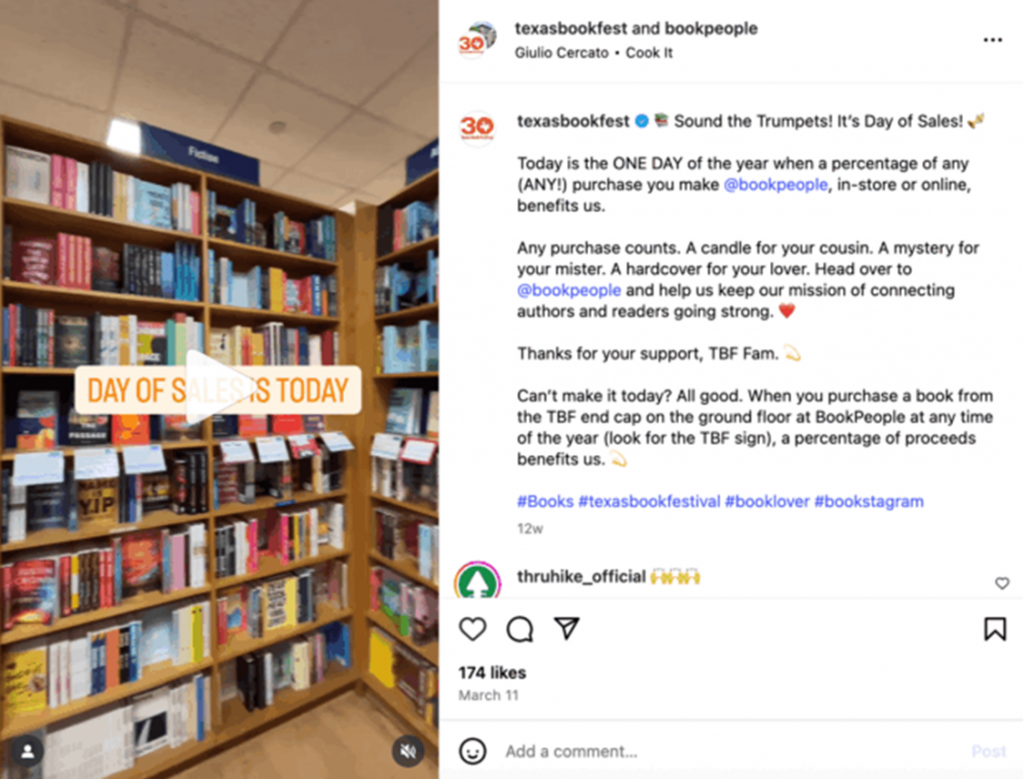
Influencers, community leaders, partner nonprofits, and allied organizations can help amplify your message—even without a big budget.
Focus on building relationships and offering value, whether through powerful visuals, compelling stories, or unique insights from your work.
12. Respond quickly and consistently
Timely responses help build trust with donors, volunteers, and community members. If you manage several accounts, consider tools that consolidate messages so your team can stay organized and responsive.
13. Host virtual events
Live-streaming allows supporters to participate from anywhere, whether you’re running an online event or adding a virtual component to an in-person gathering. Live video offers a dynamic, real-time way to inspire donations and create shared experiences.
14. Use built-in fundraising tools
Platforms like Instagram, Facebook, TikTok, and Snapchat offer native donation and fundraising features. Adding a “Donate” button or launching a platform-based campaign makes it easy for supporters to contribute with just a few taps.
When your nonprofit is verified, individuals can even launch fundraisers on your behalf—boosting awareness and extending your reach organically.
Source: Hootsuite