Nonprofits Can Raise More by Fixing the Giving Experience
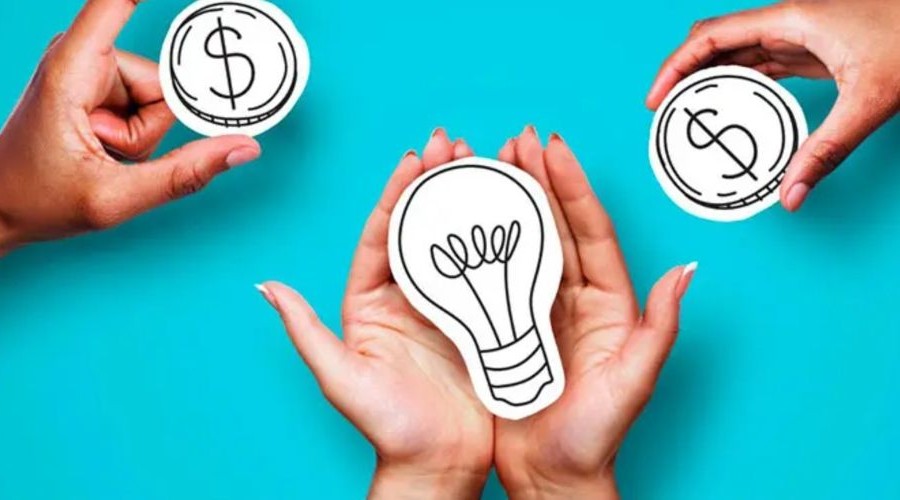
Nonprofits are under constant pressure to reach more people, run stronger campaigns and bring in new sources of support. But for many organizations, the greatest fundraising challenge is not a lack of visibility. It is the gap between donor interest and completed contributions.
As expectations around digital giving continue to rise, nonprofits are finding that fundraising performance depends less on simply doing more outreach and more on building systems that make giving easier, faster and more reliable.
Many organizations still rely on a patchwork of spreadsheets, older donor databases, manual processes and disconnected platforms to manage campaigns, gifts and supporter relationships. That fragmented approach can create real problems, including abandoned donation forms, duplicate or incomplete donor records, delays in processing gifts and extra administrative work for staff.
Those issues may seem procedural, but they have a direct financial impact. Every unnecessary field, confusing step or delayed confirmation adds friction. And in fundraising, friction can mean lost revenue.
Today’s donors are accustomed to the speed and simplicity of online shopping, banking apps and mobile payments. They expect donation pages to work well on phones, process quickly and provide immediate confirmation that their gift was received. When the experience feels outdated or cumbersome, some donors may leave before completing the transaction — and they may not return.
That is why more nonprofits are beginning to view fundraising as a systems issue, not just a marketing issue. Stronger messaging can attract attention, but better infrastructure helps convert that attention into support.
Modern fundraising platforms are designed to simplify the giving process, capture donor information automatically and connect with donor management systems. When those pieces work together, organizations can reduce administrative burden, improve reporting accuracy and communicate with supporters more promptly.
The donation itself should be treated as part of the donor relationship. A smooth, trustworthy giving experience can reinforce confidence in the organization, while a clunky or confusing process can create hesitation. When donors can complete a gift quickly and receive timely follow-up, nonprofits are better positioned to build lasting relationships.
One practical place to start is the donation layer. Tools such as Glass Register donation forms for nonprofits are built to make online giving more streamlined for both donors and administrators. By simplifying the point of donation, nonprofits can capture more value from the audience they already have, rather than relying solely on larger campaigns or higher marketing spend.
For mission-driven organizations, efficiency is more than an internal metric. Time saved on manual work can be redirected toward programs. Cleaner data can support better decision-making. More completed donations can translate into greater community impact.
As competition for donor attention grows, nonprofits that invest in better systems will have an advantage. The future of fundraising will not be shaped only by who can reach the largest audience, but by who can make it easiest for supporters to act.
Digital tools are no longer a nice-to-have. They are becoming essential infrastructure for sustainable fundraising. In an environment where donors expect speed, clarity and convenience, reducing friction may be one of the most effective ways for nonprofits to increase giving and strengthen trust.
Source: Takedia
The Nonprofit Atlas connects the dots for any “do-gooders” to do the most good. We provide the roadmap to doing good well. We simplify the work of securing resources, relationships, and best practices that fuel a mission and realize a vision. See us in action with a FREE 30-minute consultation.